
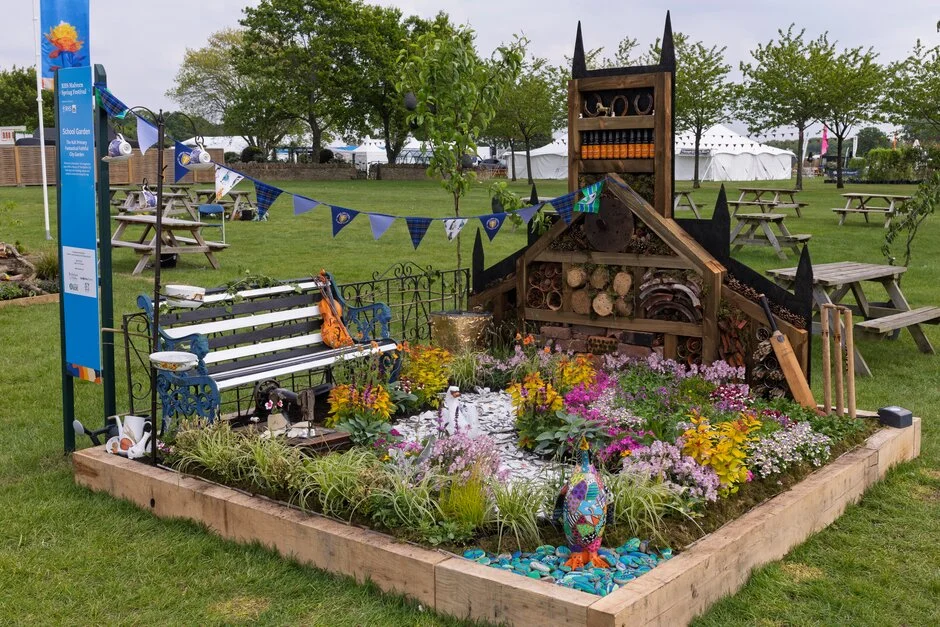
Outdoor areas are where children run, climb, play and learn. They are also where many school injuries happen. Thoughtful school landscaping turns ordinary grounds into spaces that protect students while still encouraging active, imaginative play.
Safe Surfacing Reduces Injuries
Falls are the most common playground injury. Soft-fall surfaces such as rubber mulch, wet-pour rubber and engineered wood fibre absorb impact far better than concrete or compacted dirt. Good surfacing should be installed under and around all climbing equipment, with correct depth and regular maintenance to prevent compaction.
Clear Sightlines for Supervision
Dense shrubs and hidden corners make it harder for teachers to monitor children. Effective school landscaping uses low planting near play zones and keeps taller trees at the edges, so staff can see across the whole yard. Open sightlines discourage unsafe behaviour and make it easier to respond quickly in an emergency.
Defined Zones for Different Activities
Mixing quiet reading nooks with ball games leads to collisions and conflict. Separate zones for active play, quiet play, learning and gardening keep children safer and calmer. Pathways, low fencing and planting beds can guide movement naturally without feeling restrictive.
Shade Protection from the Sun
Victoria’s UV levels are high, even on cooler days. Shade sails and well-placed trees reduce sun exposure and keep surfaces from overheating. Shaded seating and play areas help children stay comfortable and encourage outdoor time all year.
Choosing Non-Toxic, Child-Friendly Plants
Some plants have thorns, toxic berries or irritating sap. Selecting soft, hardy, non-toxic species protects curious children. Native Australian plants are often ideal because they need less water, tolerate Melbourne’s variable climate and attract birds and butterflies that support learning.
Smart Drainage and Stable Ground
Puddles, mud and uneven soil cause slips and trips. Proper grading, drainage and well-compacted paths keep grounds usable after rain. Retaining walls and gentle slopes should be designed with rounded edges and safe heights to prevent falls.
Safe Boundaries and Entry Points
Secure fencing, self-closing gates and clear entries keep children inside and unwanted visitors out. Landscaping can soften these boundaries with hedges and planting, so the school remains welcoming while staying secure.
Natural Play and Wellbeing Benefits
Safe landscapes do more than prevent injuries. Natural play elements like logs, boulders, sensory gardens and veggie patches build coordination, confidence and social skills. Research links green outdoor spaces with better concentration and lower stress in students.
Why Professional Design Matters
Schools must meet strict safety standards, including Australian playground standards and council requirements. Working with an experienced landscape designer in Melbourne ensures these rules are met from the start. A qualified landscape designer in Melbourne understands local soils, climate and regulations, and can balance safety, budget and creativity. Many schools find that a landscape designer in Melbourne can stage projects over several years, spreading costs while delivering steady improvements.
Final Thoughts
Well-planned school landscaping gives children room to explore without unnecessary risk. From soft surfacing and shade to smart planting and clear sightlines, every detail contributes to a safer, healthier school environment. Investing in thoughtful design today protects students, supports teachers and builds outdoor spaces the whole community can be proud of.